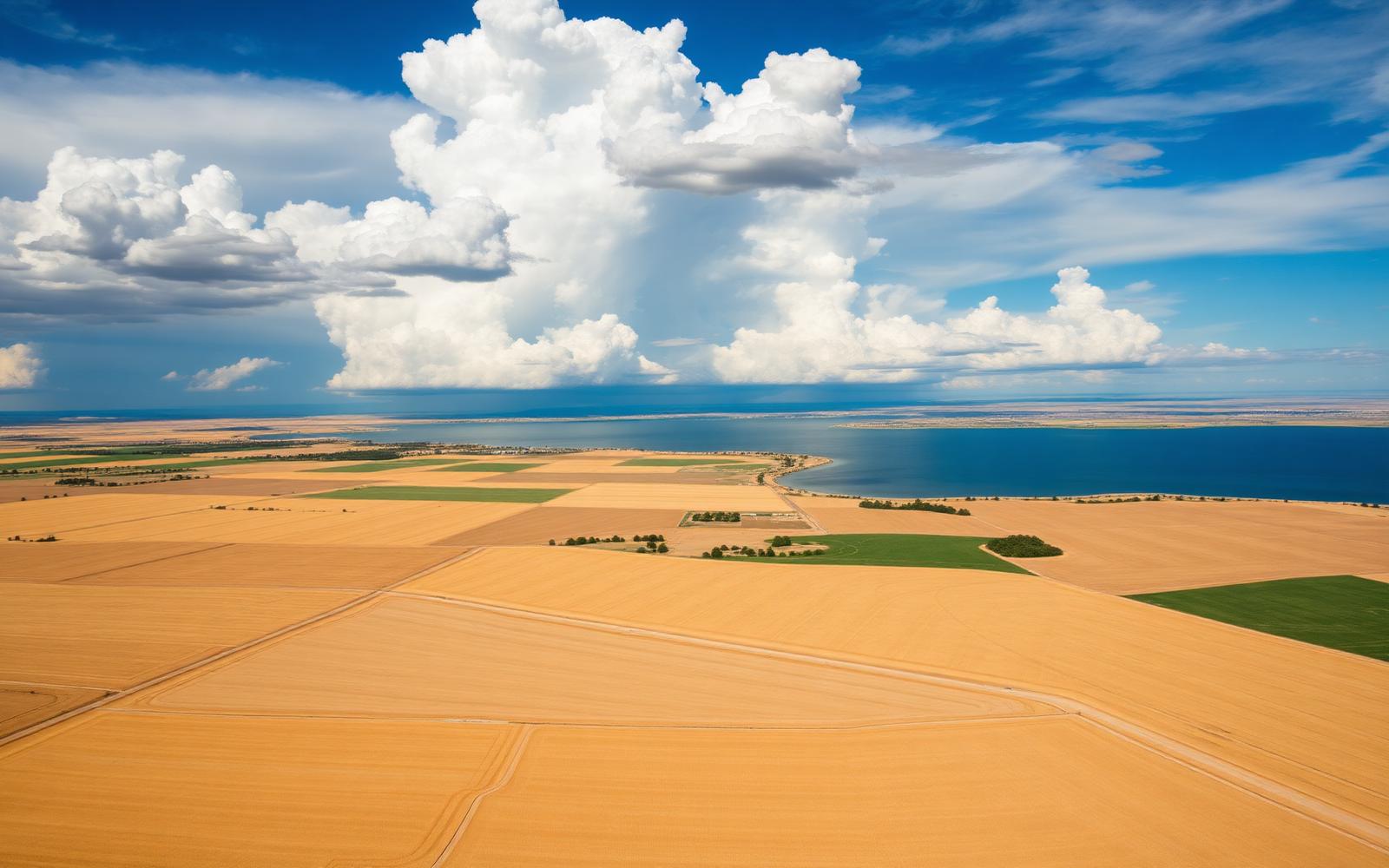
Post-Harvest Residue Management Strategy in Manitoba
Technical consultation on soil conservation, evaluating organic matter breakdown, and planning optimal nutrient return for the following season.
Why residue management strategy looks different here
Manitoba's mix of heavy Red River clay, sandy interlake fields and rolling western uplands each demand a different approach. We tune equipment, tire pressures and application timing province-by-province so heavy crops come off cleanly, on schedule.
Manitoba's earlier, wetter harvest window rewards operators who can pivot between soybeans, canola and cereals within a single week — our crews cross-train specifically for that mix.
- Typical timing
- Post-harvest
- Field window
- Late April through mid-May, weather permitting
- Soils we set up for
- Heavy Red River Valley clay, sandy Interlake ground, rolling Westman and Parkland loams.
- What you get
- Residue that feeds next year's crop instead of plugging the drill.
What's included
- 01Residue load and breakdown assessment
- 02Tillage vs. no-till recommendations
- 03Nutrient return planning
- 04Erosion and soil-conservation planning
Post-Harvest Residue Management Strategy across Manitoba
- Red River Valley
- Central Plains
- Westman
- Parkland
- Interlake
- Eastman
Field crops we handle
- Hard red spring wheat
- Canola
- Soybeans
- Corn (grain)
- Sunflowers
- Field peas & edible beans
Manitoba's earlier spring is also its wettest. We manage flotation and ground pressure on Red River clay, adjust depth on Interlake sand, and split the drill between cereals, canola, soybeans and corn inside the same week.
Other services we run here
Custom Seeding
Precision air-drill seeding across large prairie acres — accurate seed placement, variable-rate capable, and coordinated logistics to get your crop in the ground on time.
In Manitoba →Custom Crop Spraying
Professional high-clearance liquid application with fully insured equipment and experienced operators — extensive acreage covered efficiently and on time.
In Manitoba →Full-Service Harvesting
Comprehensive custom combining from standing crop to grain bin, maximizing yield recovery through late August and early September.
In Manitoba →Summer Tillage Operations
Mid-season soil conditioning and weed management using high-performance tractors and specialized tillage implements.
In Manitoba →Fall Pro-Till Services
Heavy-duty autumn soil preparation with high-speed disc machines to effectively manage heavy crop residue before the winter freeze.
In Manitoba →Agricultural Equipment Operator Supply
Highly skilled, fully vetted machine operators supporting commercial farms during time-sensitive, peak operational bottlenecks.
In Manitoba →
Need residue management strategy in Manitoba?
Tell us your RM or county, acres and timing — we'll come back with capacity and pricing.